%2Ffit-in%2F250x250%2Fguide_websites%2F6225%2Fimages%2Ffear_knot_logo.png&w=1920&q=100)
/users/121afe6a-dbde-4db1-a407-c5b40340842a/ratecard/pro2-mmwoa4wp.jpeg)
%2F300x300%2Fusers%2F121afe6a-dbde-4db1-a407-c5b40340842a%2Fratecard%2Fpro2-mmwoa4wp.jpeg&w=256&q=75)
%2F300x300%2Fusers%2F121afe6a-dbde-4db1-a407-c5b40340842a%2Fimages%2Fdauphin-island-trout-mackerel-charter-2613.jpeg&w=256&q=75)
%2F300x300%2Fusers%2F121afe6a-dbde-4db1-a407-c5b40340842a%2Fimages%2Fdauphin-island-fishing-action-2295.jpeg&w=256&q=75)
%2F300x300%2Fusers%2F121afe6a-dbde-4db1-a407-c5b40340842a%2Fimages%2Fdauphin-island-sheepshead-charter-catch-2614.jpeg&w=256&q=75)
%2F300x300%2Fusers%2F121afe6a-dbde-4db1-a407-c5b40340842a%2Fimages%2Fcrevalle-jack-dauphin-island-catch-2429.jpg&w=256&q=75)
%2F300x300%2Fusers%2F121afe6a-dbde-4db1-a407-c5b40340842a%2Fimages%2Fdauphin-island-redfish-catch-2410.jpeg&w=256&q=75)
%2F300x300%2Fusers%2F121afe6a-dbde-4db1-a407-c5b40340842a%2Fimages%2Fdauphin-island-fishing-charter-2299.jpeg&w=256&q=75)
%2F300x300%2Fusers%2F121afe6a-dbde-4db1-a407-c5b40340842a%2Fimages%2Fsouthern-flounder-dauphin-island-catch-2415.jpeg&w=256&q=75)
%2F300x300%2Fusers%2F121afe6a-dbde-4db1-a407-c5b40340842a%2Fimages%2Fdauphin-island-charter-fishing-trip-2384.jpeg&w=256&q=75)
%2F300x300%2Fusers%2F121afe6a-dbde-4db1-a407-c5b40340842a%2Fimages%2Fdauphin-island-fishing-catch-2440.jpeg&w=256&q=75)
%2F300x300%2Fusers%2F121afe6a-dbde-4db1-a407-c5b40340842a%2Fimages%2Fdauphin-island-redfish-charter-display-2451.jpeg&w=256&q=75)
Pro Level Fear Knot Inshore Dauphin Island AL
 Dauphin Island Marina
What you will be catching:
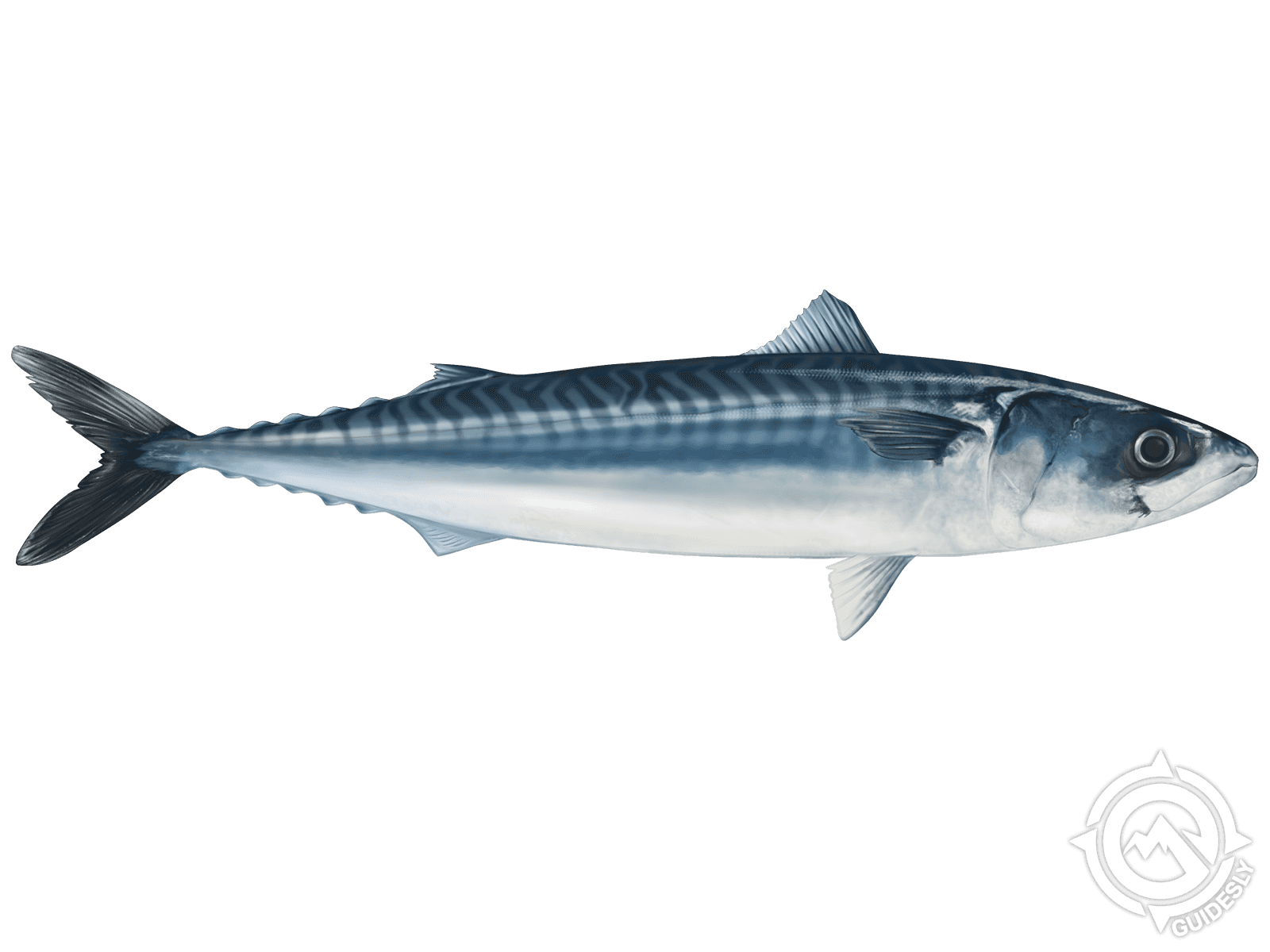
 Atlantic Mackerel
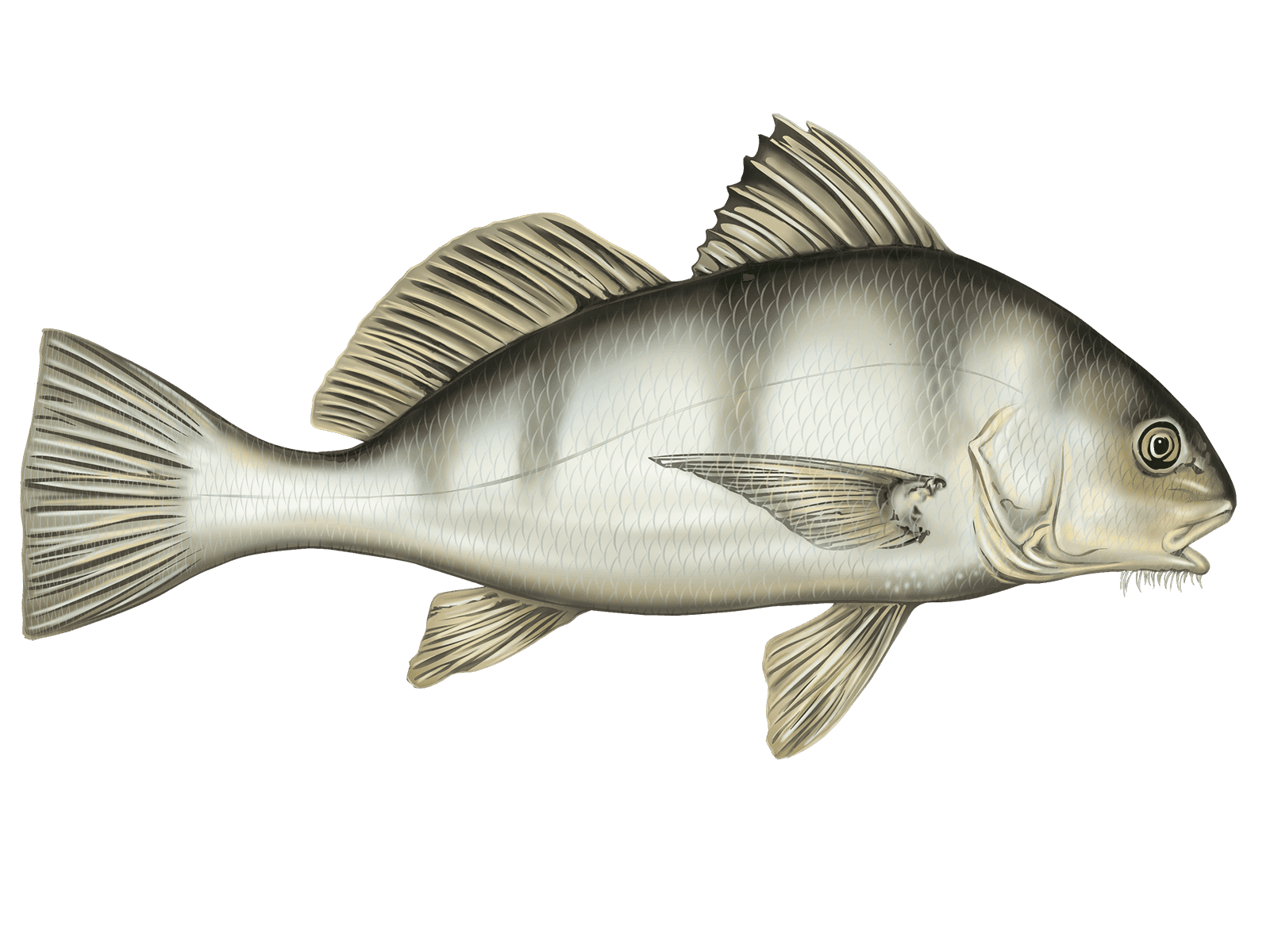
 Black Drum
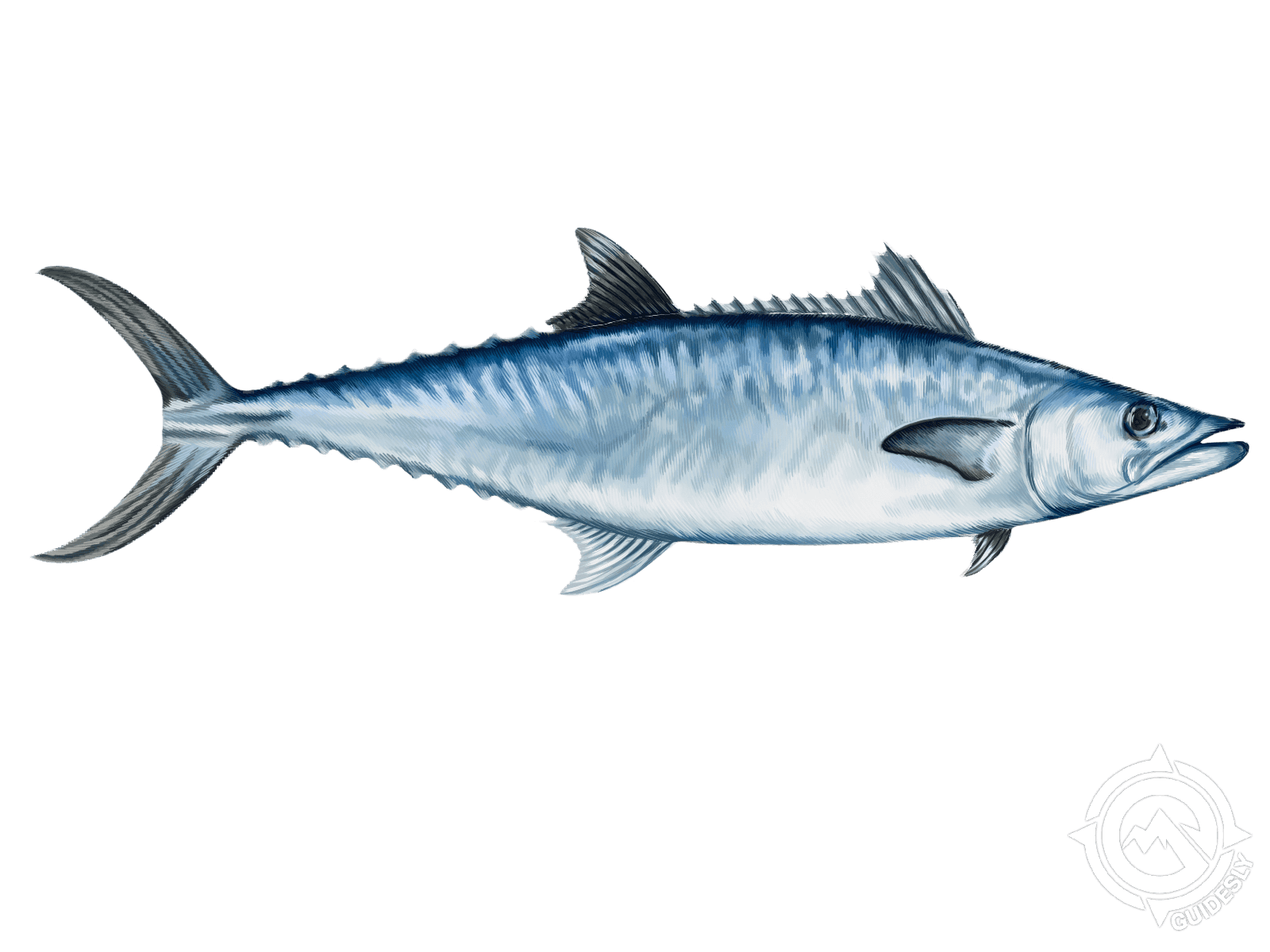
 King Mackerel
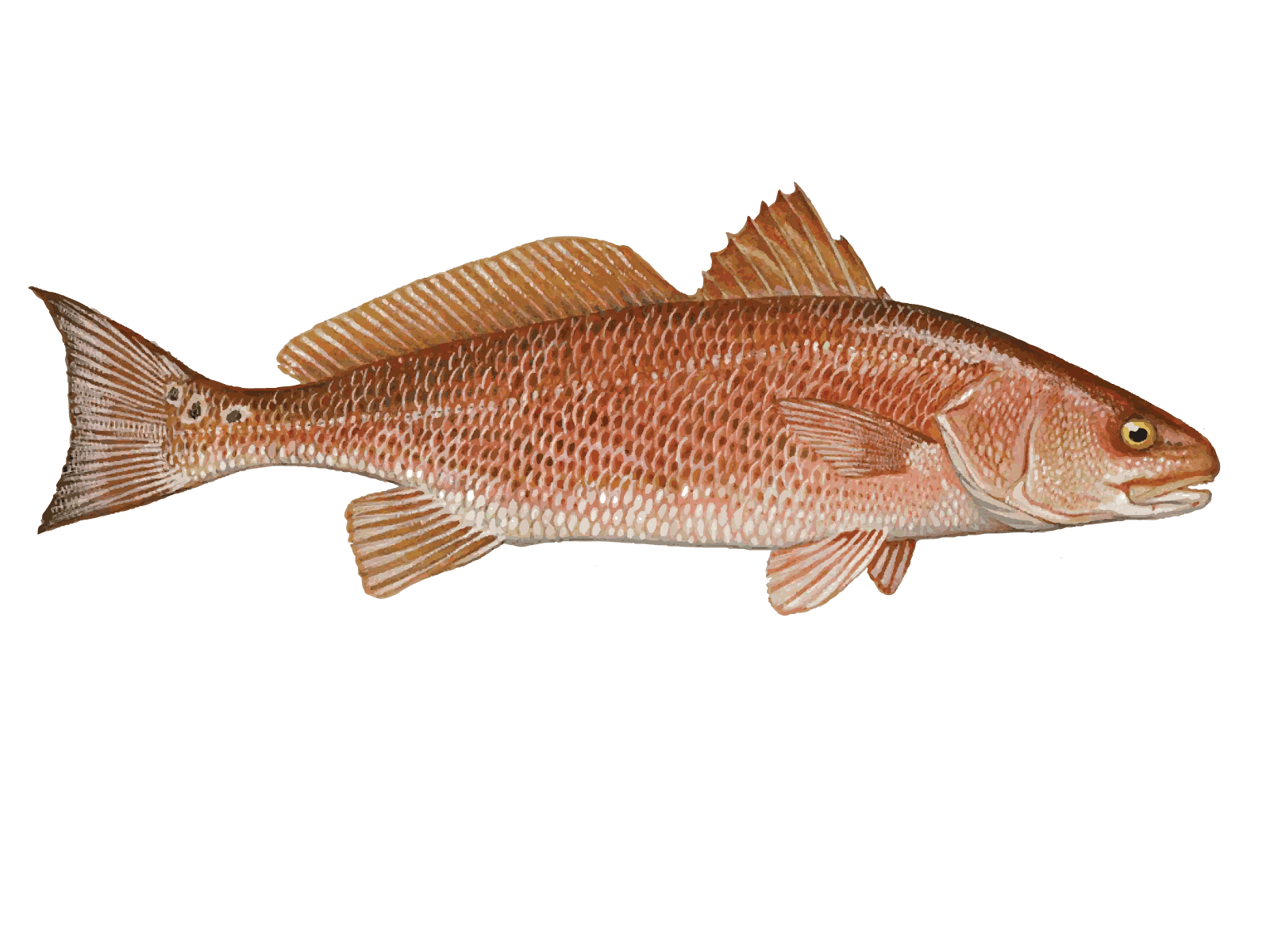
 Redfish
 Summer Flounder
- This half-day pro fishing trip with Captain Richard on the Fear Knot is built for serious anglers who want to test their skills in Alabama's productive waters around Dauphin Island. You'll fish both inshore and nearshore spots targeting King Mackerel, Redfish, Black Drum, and Summer Flounder using top-quality gear that's all included. The boat takes up to 7 guests, and Captain Richard brings the local knowledge and expert guidance that separates the good trips from the great ones. These waters hold some impressive fish, and with the right approach, you'll have real shots at landing something special. Perfect for experienced fishermen looking to challenge themselves in Alabama's rich Gulf Coast fishery.
Trip Pricing and Availabilities:
Half Day Pro-Level Fishing in Dauphin Island
Ready to put your angling skills to the test? Captain Richard and the Fear Knot crew are waiting to show you what serious fishing looks like around Dauphin Island. This isn't your typical family-friendly trip – we're talking pro-level action that'll have you working for every fish. With top-shelf gear, fresh bait, and a captain who knows these waters like the back of his hand, you'll be targeting some of Alabama's most prized catches. Whether you're chasing the silver flash of King Mackerel or the copper-bronze of Redfish, this half-day adventure packs more action than most full-day trips. We keep groups small at seven anglers max, so everyone gets their fair share of rod time and personal attention from the crew.
What to Expect on the Water
The Fear Knot runs a tight ship when it comes to pro-level fishing. Captain Richard starts each trip with a quick briefing on techniques, target areas, and what species are biting based on current conditions. The boat comes loaded with everything you need – quality rods, reels, tackle, lures, and fresh bait – but feel free to bring your lucky setup if you've got one. We'll be working both inshore flats and nearshore structure, adjusting our game plan based on tides, weather, and fish activity. The beauty of Dauphin Island's location means we can hit productive water fast, spending more time fishing and less time running. Expect to move around as we chase the bite – one spot might be holding drum while another has flounder stacked up. This isn't a sit-and-wait kind of trip; we're actively hunting fish all morning or afternoon.
Techniques and Prime Spots
Around Dauphin Island, versatility wins the day. We'll be switching between live bait fishing, artificial lures, and trolling depending on what we're targeting. For King Mackerel, expect to troll with live bait or pull spoons and diving plugs along temperature breaks and structure. Redfish action often happens sight fishing in shallow water using soft plastics or live shrimp under popping corks. Black Drum fishing requires patience and the right bait presentation near pilings, oyster bars, and channel edges – these bruisers test both your gear and technique. Summer Flounder hunting means working sandy bottoms with buck tail jigs, live bait, or soft plastics, feeling for that subtle tap that signals a flatfish pickup. The nearshore reefs and wrecks hold different opportunities, while the inshore grass flats and marsh edges offer their own challenges. Captain Richard reads conditions constantly, adjusting locations and methods to keep you on fish throughout the trip.
Species You'll Want to Hook
Black Drum are the heavyweights of this fishery, with mature fish pushing 30-50 pounds or more. These copper-colored bruisers love structure – think bridge pilings, oyster reefs, and channel markers. Spring through fall offers the best action, with fish moving into shallow water to feed on crabs and mollusks. When you hook a big drum, expect a powerful, bulldogging fight that'll test your drag system and endurance. They're not flashy jumpers, but their raw power and stamina make every battle memorable.
Summer Flounder, or fluke as many call them, are the ultimate inshore challenge. These ambush predators lie buried in sand waiting to strike, and their bite can be so subtle you'll miss it if you're not paying attention. The bigger ones – we're talking 3-7 pounders – hit harder and fight with surprising strength for a flatfish. Prime time runs from late spring through early fall, with the best action often happening on moving tides over sandy bottom near structure or bait concentrations.
King Mackerel bring the speed and aerial show that gets every angler's blood pumping. These silver bullets can stretch 20-40 inches and fight like fish twice their size. They're most active during warmer months, cruising nearshore waters following bait schools. When a king hits your bait or lure, expect multiple jumps, screaming runs, and a fight that'll have you grinning from ear to ear. Their razor-sharp teeth mean wire leaders are essential – lose a few lures and you'll learn that lesson quick.
Redfish are Alabama's inshore superstars, and Dauphin Island waters hold some beauties. These copper-bronze fighters average 18-30 inches in our area, with their distinctive black spots and powerful tails making them easy to identify. They're year-round residents but really turn on during fall months. Reds fight dirty – expect drag-screaming runs toward structure, head shakes, and that classic red drum power. They're also great table fare when kept within regulations, though many anglers release these beautiful fish to fight another day.
Atlantic Mackerel round out the mix with their schooling behavior and aggressive feeding. When you find a school, the action can be non-stop with multiple hookups common. These smaller mackerel are perfect for lighter tackle and provide excellent action when larger species are being finicky. They're seasonal visitors but when they show up, they make their presence known with surface feeding frenzies that get every angler on deck casting.
Time to Book Your Spot
This pro-level half-day trip delivers serious fishing action without the full-day commitment. Captain Richard's knowledge of local waters, combined with quality gear and a fish-first approach, gives you the best shot at memorable catches. Whether you're a seasoned tournament angler looking to scout new water or an experienced recreational fisherman wanting to step up your game, this trip delivers the goods. The seven-person limit ensures everyone gets proper attention and plenty of opportunities. Don't wait – the best fishing days book up fast, especially during peak seasons. Contact Fear Knot today to reserve your spot and get ready to test your skills against some of Alabama's finest gamefish.
Learn more about the animals
Atlantic Mackerel
Atlantic Mackerel are scrappy little fighters with beautiful blue-green backs and wavy black stripes. They typically run 12-16 inches and about a pound, but what they lack in size they make up for in numbers and speed. These schooling fish show up in huge numbers during summer months, often creating feeding frenzies near the surface. They're fast swimmers that chase baitfish aggressively, making for non-stop action when you find a school. Guests love the constant bites and the rich, oily meat that's packed with healthy omega-3s - great smoked or grilled fresh. They're daytime feeders that respond well to small shiny lures and cut bait. When you hook into a school, work fast because they won't stick around long. Try small silver spoons or sabiki rigs to maximize your catch rate.
Black Drum
Black Drum are heavy-bodied fighters that'll test your tackle around Dauphin Island. These gray-black bruisers typically run 5-30 pounds, but we've seen bulls hit 50+ pounds. They love shallow oyster beds and muddy flats where they crush crabs and shellfish with powerful jaws. Spring is prime time when they school up for spawning - that's when you'll hear their distinctive drumming sounds underwater. What makes them fun is the hard pull and head-shaking fight, plus smaller ones under 15 pounds make great table fare with firm, white meat. The bigger ones get tough and stringy, so we usually release those. Pro tip: use fresh blue crab on a fish finder rig and let it sit on bottom near oyster bars - they can't resist it.
King Mackerel
King Mackerel are speed demons that'll rip line off your reel faster than almost any fish in the Gulf. These sleek predators average 15-30 pounds but can hit 50+ pounds when conditions are right. We find them in 40-150 feet of water, usually around structure or temperature breaks where baitfish gather. Summer and early fall are prime season when water temps hit that 75-80 degree sweet spot. What makes kings so popular is that blistering initial run and their excellent eating quality - firm, white meat that's perfect grilled. They're aggressive feeders that chase down anything from blue runners to squid. My local trick is slow-trolling live cigar minnows behind a planer at 4-6 knots. When one hits, hold on tight because they'll make a screaming run toward structure.
Redfish
Redfish are the bread and butter of our inshore fishing around Dauphin Island. These copper-colored bruisers with the distinctive black eyespot near their tail typically run 18-30 inches and put up a serious fight. You'll find them in 1-4 feet of water around oyster bars, grass flats, and marshy shorelines - sometimes so shallow their backs are showing. They're year-round residents but spring and fall offer the best action when they're most active. What guests love is watching them cruise the shallows and that powerful run when hooked. The meat is mild and sweet, perfect for blackening. These fish are smart and spooky in clear water, so approach quietly. My best tip is throwing a gold spoon past cruising fish and working it back slow - the flash drives them crazy.
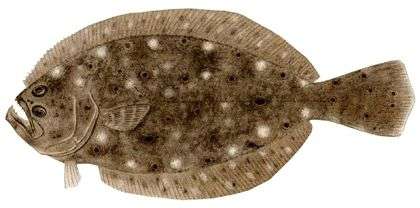
Summer Flounder
Summer Flounder are the masters of disguise around here - flatfish that change colors to match the bottom. Most run 15-20 inches, but we catch some nice ones pushing 4-5 pounds. They're ambush predators that bury in sand near structure, waiting to grab baitfish swimming by. Fall months from September through November are peak season when they're most active and easier to locate. What guests love is the challenge of finding them and the sweet, flaky meat that's hard to beat on the dinner table. They fight different than other fish - more of a bulldogging pull than jumping around. My go-to technique is drifting live finger mullet or croakers near bottom with a circle hook. Keep the bait moving slowly and be ready for that subtle tap.
About the Fear Knot
%2F%2Fusers%2F121afe6a-dbde-4db1-a407-c5b40340842a%2Fvehicle_picture%2Funnamed.jpg&w=1920&q=75)
Vehicle Guest Capacity: 7
Manufacturer Name: Suzuki
Maximum Cruising Speed: 40
Number of Engines: 1
Horsepower per Engine: 300