%2Ffit-in%2F250x250%2Fguide_websites%2F6225%2Fimages%2Ffear_knot_logo.png&w=1920&q=100)
/users/121afe6a-dbde-4db1-a407-c5b40340842a/ratecard/2720e2fcd8ba81a27224cae277f70844.jpg)
%2F300x300%2Fusers%2F121afe6a-dbde-4db1-a407-c5b40340842a%2Fratecard%2F2720e2fcd8ba81a27224cae277f70844.jpg&w=256&q=75)
%2Ffilters%3Aformat(webp)%2F300x300%2F1f5f480c-0eb1-44ef-a3ea-b6d5b6f8b541%2Freport%2Fsocial%2Fimages%2Freport%2Fcaught_nice_one_329061.png&w=256&q=75)
Expert-Guided Inshore Fishing on Dauphin Island

 Dauphin Island Marina
What you will be catching:
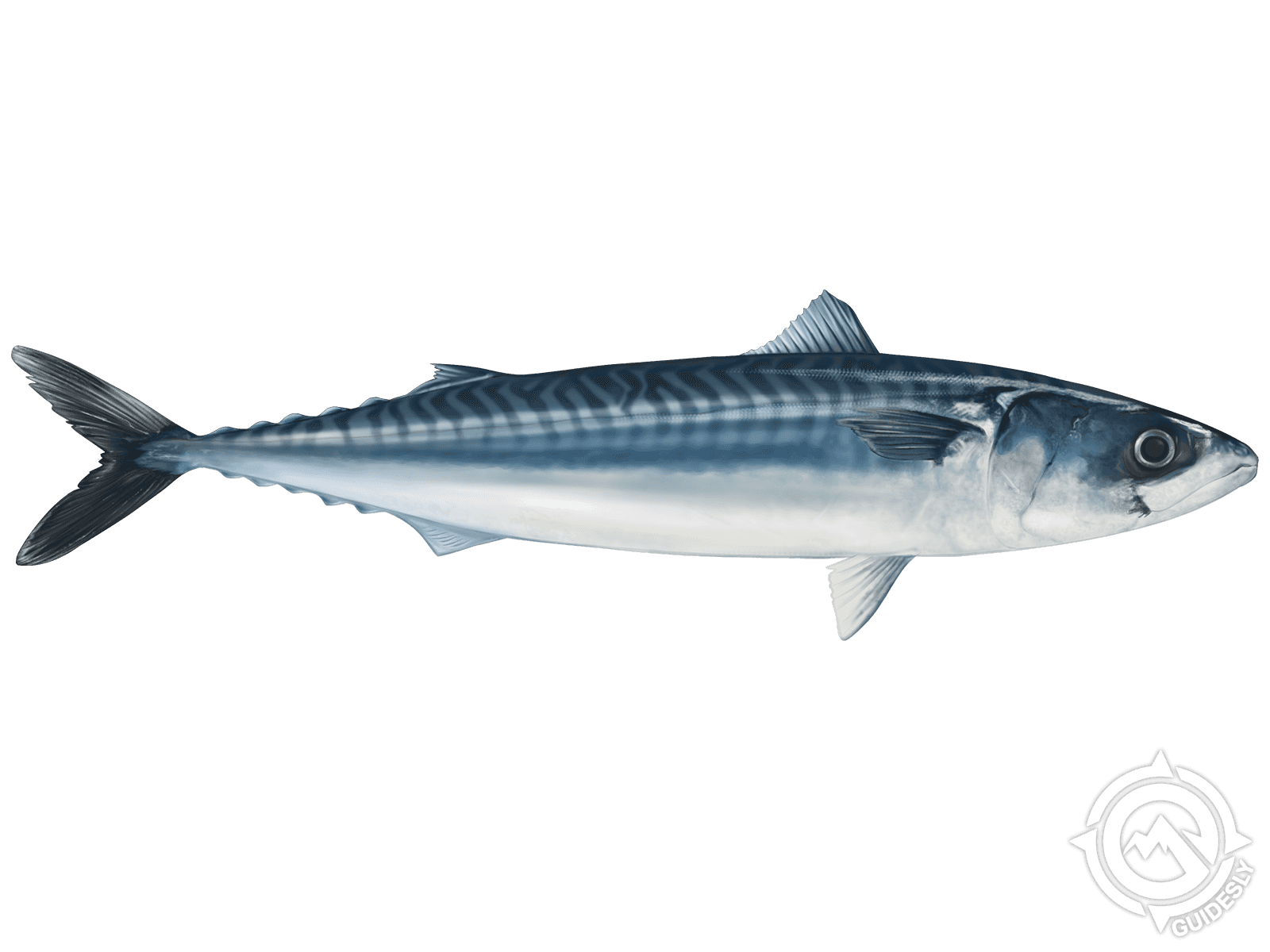
 Atlantic Mackerel
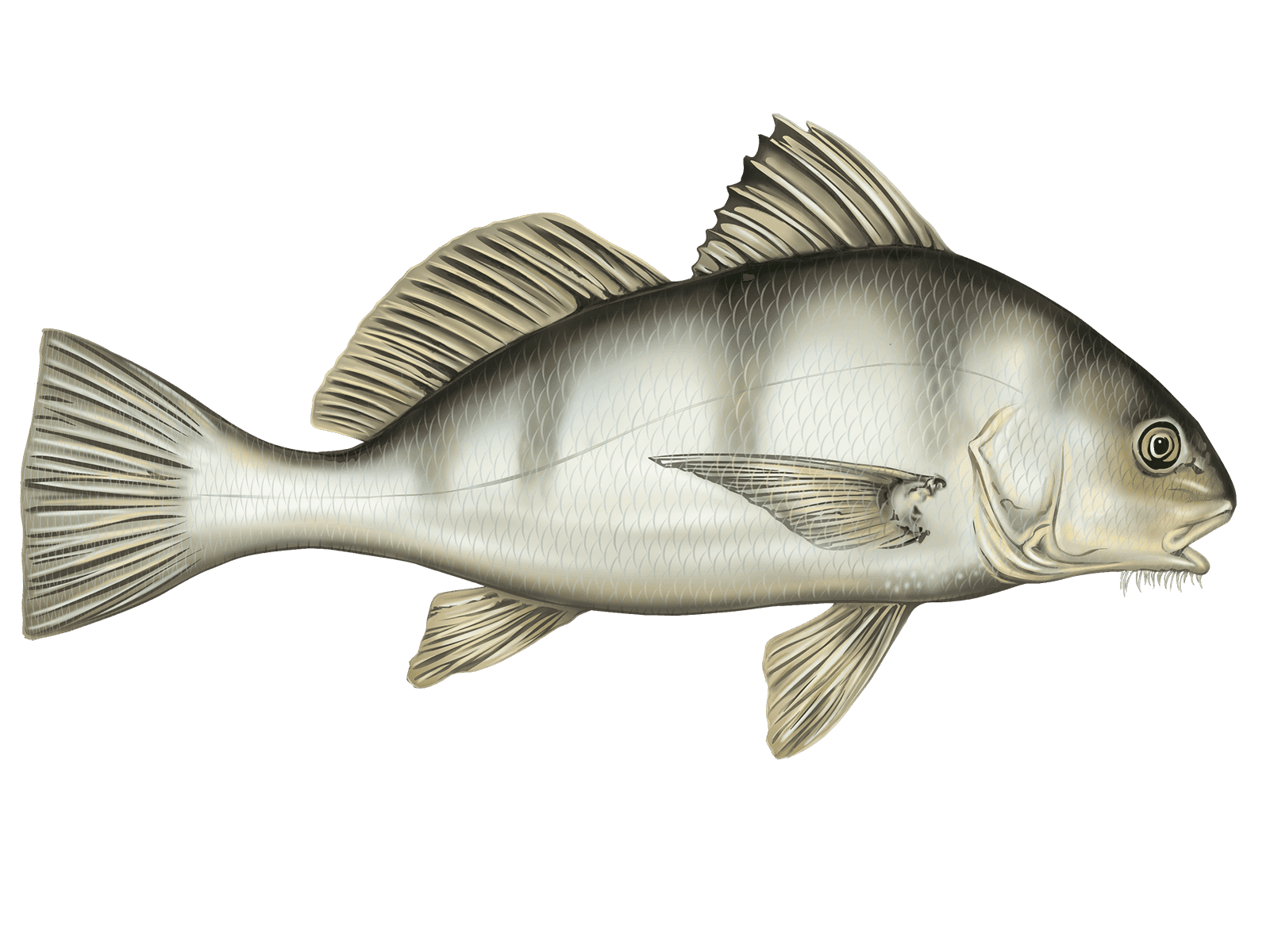
 Black Drum
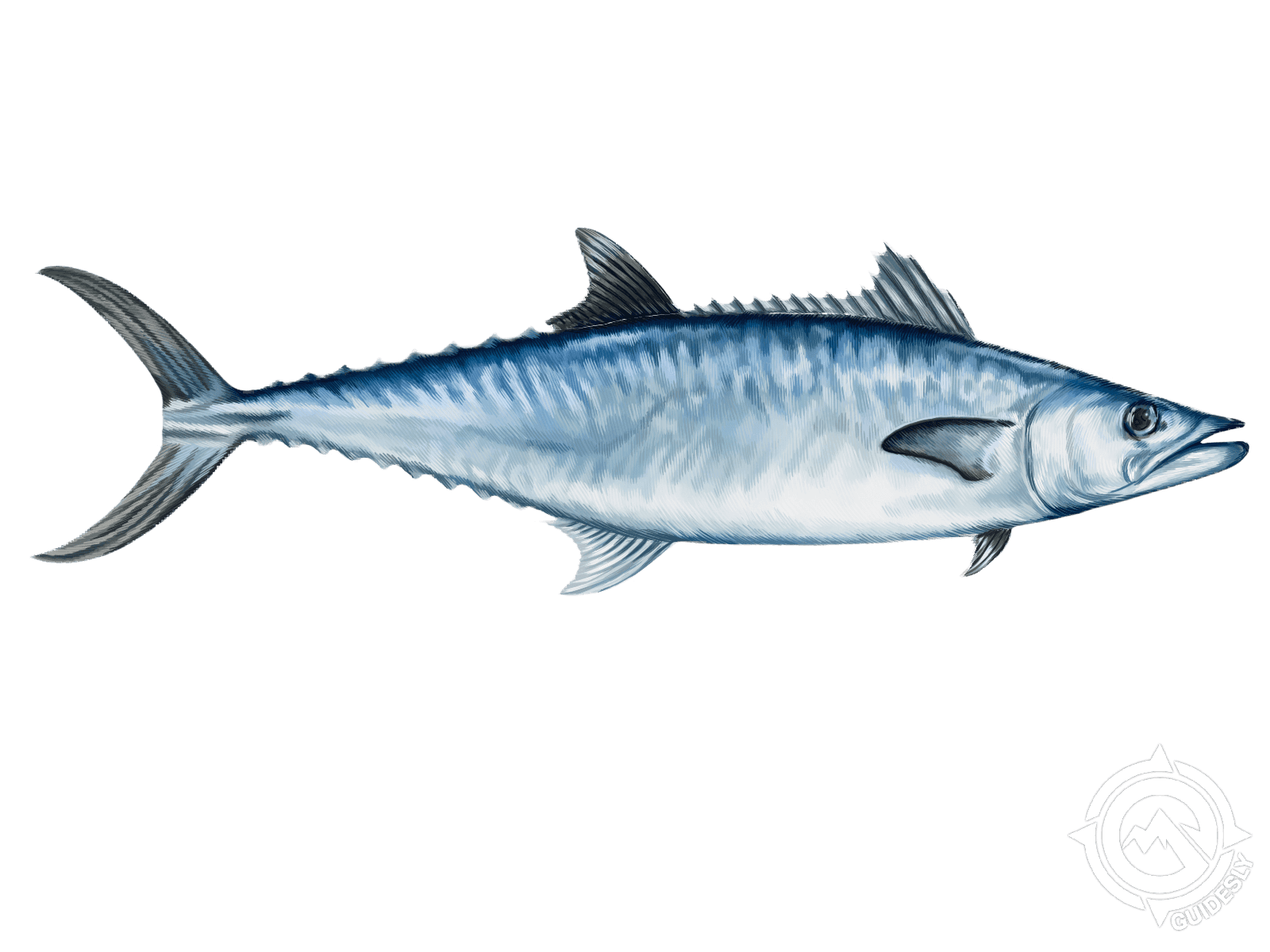
 King Mackerel
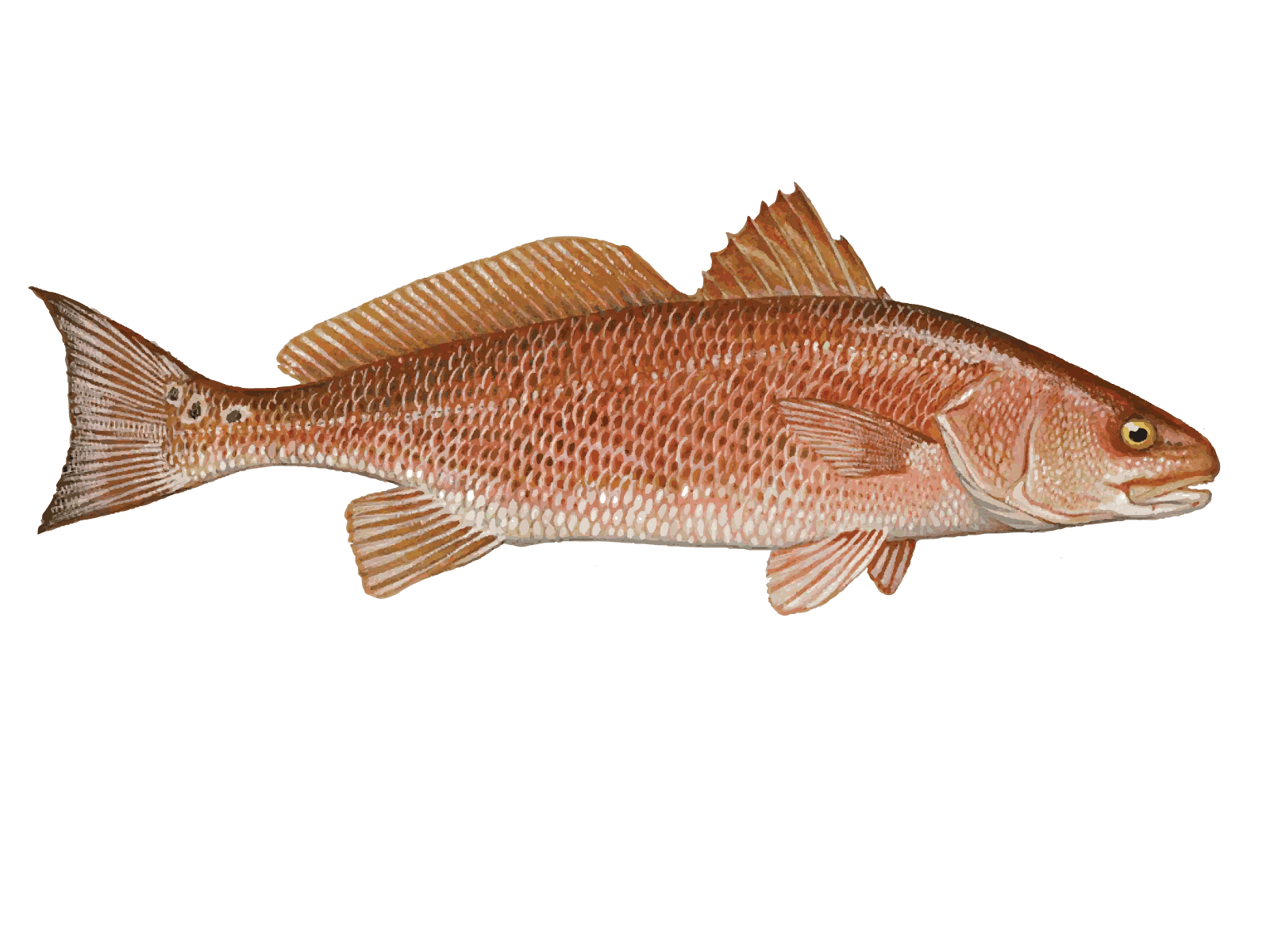
 Redfish
 Summer Flounder
- Join Captain Richard and the Fear Knot crew for a half-day fishing adventure off Dauphin Island. This charter takes up to 7 anglers either inshore or nearshore depending on conditions and what's biting. All your gear, licenses, bait, and tackle are included, so you just show up ready to fish. The crew knows these Alabama waters inside and out and will put you on the fish whether you're after redfish in the shallows or heading out for bigger action offshore. Perfect for families or groups looking to experience some of the Gulf Coast's best fishing without committing to a full day on the water.
Trip Pricing and Availabilities:
Half Day Fishing Trip in Dauphin Island, AL
Ready to get your lines wet in some of Alabama's most productive fishing waters? Captain Richard and the Fear Knot crew know these Gulf Coast waters like the back of their hands, and they're fired up to put you on fish that'll make your day. This half-day charter gives you the perfect taste of what Dauphin Island has to offer without eating up your whole vacation. Whether you're a seasoned angler or just getting your feet wet, this trip delivers the goods with all gear included and a captain who genuinely loves seeing folks catch fish.
What to Expect on the Water
Captain Richard runs a tight ship that can handle up to 7 anglers comfortably, making it perfect for family trips or small groups of friends. The best part? You don't need to stress about bringing anything except your enthusiasm. Fear Knot provides all the rods, reels, tackle, bait, and even takes care of your Alabama fishing license. Depending on what Mother Nature serves up and what's biting that day, you'll either work the inshore grass flats and structure or push out to the nearshore reefs. The captain reads the water conditions and adjusts the game plan to put you where the fish are feeding. This isn't some cookie-cutter operation - it's real fishing with a captain who adapts to give you the best shot at filling the cooler.
Techniques & Favorite Spots
The waters around Dauphin Island offer incredible variety, which means Captain Richard can switch up tactics based on what's working. In the shallows, you'll work live bait around oyster bars and grass beds where redfish cruise looking for an easy meal. The near-shore action often means bottom fishing over structure for bigger drum or trolling for kings when they're running. Don't be surprised if the captain has you casting artificial lures one minute and soaking cut bait the next - that's just good fishing sense. The boat stays mobile, hitting different spots until you find where the fish are stacked up. Fear Knot's local knowledge really shines here, as they know which spots produce during different seasons and tide phases.
What Anglers Are Saying
"I've always booked off-shore. This was enjoyable and captain was great. He is very involved if you have children. My 7 year old had a blast. If you book you must ask the captain about the fish dance" - Austin
Species You'll Want to Hook
Black Drum are the bulldogs of the inshore waters, and Dauphin Island serves up some serious specimens. These bruisers can push 20-30 pounds and will test your drag system when they make their first run. Spring and fall offer the best action, especially around oyster reefs and bridge pilings where they feed on crabs and shellfish. What makes black drum special is their fight - they don't jump or make flashy runs, but they pull hard and steady, making you work for every inch. Kids love them because once you hook up, you know you're connected to something substantial.
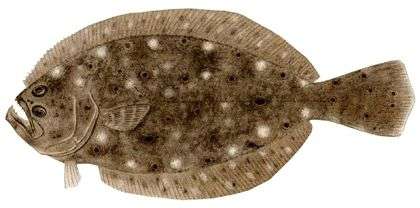
Summer Flounder, or fluke as many call them, are the ultimate light-tackle challenge in these waters. These flatfish are ambush predators that bury themselves in sandy bottoms waiting for baitfish to swim by. The technique involves drifting with current while bouncing jigs or live minnows near the bottom. Summer months are prime time, and a good flounder in the 3-5 pound range will put on quite a show with their head-shaking runs. They're also fantastic table fare, which makes them a customer favorite for families planning a fish dinner.
King Mackerel bring the speed and excitement that gets anglers' hearts pumping. These silver rockets can hit 20-30 mph when they take your bait, often launching clear out of the water in spectacular fashion. Late spring through early fall offers the best king fishing around Dauphin Island, especially when baitfish are thick near the nearshore reefs. Kings typically run 10-30 pounds in these waters, and their razor-sharp teeth and blistering runs make every hookup an adventure. Captain Richard knows exactly where to position the boat when the kings are running.
Redfish are Alabama's signature inshore species, and for good reason. These copper-colored fighters are available year-round and provide consistent action for anglers of all skill levels. Bull reds in the 20-40 pound class patrol the nearshore waters while slot-sized fish work the shallow flats and oyster bars. What makes reds special is their willingness to eat both live and artificial baits, plus they fight hard right to the boat. The distinctive black spot near their tail and bronze coloring make them one of the most photogenic catches you'll land.
Atlantic Mackerel might be smaller than their king mackerel cousins, but they make up for it with sheer numbers and non-stop action. When you find a school, it's often fish after fish until your arms get tired. These silvery speedsters hit fast and fight harder than their size suggests, making them perfect for keeping kids engaged and adding excitement to any trip. They typically show up in cooler months and can provide steady action when other species are being finicky.
Time to Book Your Spot
Fear Knot's half-day fishing trip gives you everything you need for a top-rated Gulf Coast fishing experience without the full-day commitment. Captain Richard's enthusiasm for fishing is contagious, and his patience with kids makes this a perfect family adventure. The all-inclusive approach means you can focus on what matters - catching fish and making memories. Dauphin Island's diverse fishery and Fear Knot's local expertise create the perfect combination for both seasoned anglers and newcomers looking to experience Alabama's best inshore fishing. Don't forget to ask about that fish dance Austin mentioned - sounds like Captain Richard has some entertaining traditions that add to the fun!
Customer Review
Kid Friendly Captain

Austin A
September 4, 2025
Learn more about the species
Atlantic Mackerel
Atlantic mackerel are scrappy little fighters that travel in massive schools, typically running 12-16 inches and 1-2 pounds. These blue-green speedsters with dark wavy bars stay in open water but move closer to shore during summer months. They're fast swimmers that hit hard for their size, making light tackle fishing a blast. The meat is rich with healthy oils and great smoked or grilled fresh. Best fishing happens when you locate a school - then it's game on with multiple hookups common. They're daytime feeders that respond well to small shiny lures like spoons or sabiki rigs. Once you find them, work fast because these schools move constantly. A simple tip: watch for diving birds - they'll lead you right to the action.
Black Drum
These big bruisers are the heavyweights of the drum family, running anywhere from 10 to 40 pounds with some giants pushing 60-plus. You'll find them cruising shallow oyster beds, muddy flats, and around pier pilings where they use those crusher jaws to demolish crabs and shellfish. Spring is prime time when they school up for spawning - that's when you hear their drumming sounds underwater. They're fighters that'll test your drag, but keep the smaller ones under 15 pounds for the table since the big ones get tough and stringy. Best tip I can share: use fresh blue crab on a Carolina rig and fish it right on the bottom. They won't come up for it, so get your bait down where they're feeding.
King Mackerel
Kings are pure adrenaline on a fishing rod - these speed demons average 15-30 pounds but can top 50 when you find the right fish. They cruise in 40-150 feet of water around structure, drop-offs, and temperature breaks where baitfish stack up. Summer through early fall brings the best action when water temps hit that sweet spot of 70-80 degrees. What gets folks hooked is that initial screaming run when they grab your bait - nothing quite matches that first pull. The meat is rich and oily, perfect for the grill. My go-to setup is slow-trolling live cigar minnows on a stinger rig with wire leader. Keep that bait about 20 feet back from the boat and be ready - when they hit, they mean business.
Redfish
Redfish are the bread and butter of our shallow water fishing, running 18-28 inches on average with that signature black spot near the tail. These copper-colored beauties love cruising oyster bars, grass flats, and marsh edges in just 1-4 feet of water - sometimes so shallow their backs stick out. Year-round fishing here, but fall and spring offer the most consistent action when they're feeding hard. What makes them special is that heart-stopping moment when you see one tailing in skinny water, plus they're fantastic table fare with sweet, flaky meat. The fight is solid too - they'll make long runs and use that broad tail to their advantage. Try a gold spoon or live shrimp under a popping cork around those oyster bars.
Summer Flounder
Summer flounder are masters of disguise that lie flat on sandy bottoms waiting to ambush prey. These "door mats" average 15-20 inches but can hit 5-6 pounds when conditions are right. They love structure like wrecks, reefs, and channel edges in 20-80 feet of water. Fall months from September through November are your best bet when they're feeding heavy before heading offshore. What makes them fun is that explosive strike when they come off the bottom, plus they're some of the best eating fish in these waters. The key trick is using a bucktail jig tipped with squid or a live finger mullet, and work it slow right along the bottom. Don't set the hook too fast - let them take it and run a bit first.
About the Fear Knot
%2F%2Fusers%2F121afe6a-dbde-4db1-a407-c5b40340842a%2Fvehicle_picture%2Funnamed.jpg&w=1920&q=75)
Vehicle Guest Capacity: 7
Manufacturer Name: Suzuki
Maximum Cruising Speed: 40
Number of Engines: 1
Horsepower per Engine: 300

I’ve always booked off-shore. This was enjoyable and captain was great. He is very involved if you have children. My 7 year old had a blast. If you book you must ask the captain about the fish dance