%2Ffit-in%2F250x250%2Fguide_websites%2F6225%2Fimages%2Ffear_knot_logo.png&w=1920&q=100)
/users/121afe6a-dbde-4db1-a407-c5b40340842a/ratecard/bca9009728b6cc065730131e5ca80550-mmwoqh5i.jpeg)
%2F300x300%2Fusers%2F121afe6a-dbde-4db1-a407-c5b40340842a%2Fratecard%2Fbca9009728b6cc065730131e5ca80550-mmwoqh5i.jpeg&w=256&q=75)
%2F300x300%2Fusers%2F121afe6a-dbde-4db1-a407-c5b40340842a%2Fimages%2Fdauphin-island-trout-mackerel-charter-2613.jpeg&w=256&q=75)
%2F300x300%2Fusers%2F121afe6a-dbde-4db1-a407-c5b40340842a%2Fimages%2Fdauphin-island-fishing-action-2295.jpeg&w=256&q=75)
%2F300x300%2Fusers%2F121afe6a-dbde-4db1-a407-c5b40340842a%2Fimages%2Fdauphin-island-sheepshead-charter-catch-2614.jpeg&w=256&q=75)
%2F300x300%2Fusers%2F121afe6a-dbde-4db1-a407-c5b40340842a%2Fimages%2Fcrevalle-jack-dauphin-island-catch-2429.jpg&w=256&q=75)
%2F300x300%2Fusers%2F121afe6a-dbde-4db1-a407-c5b40340842a%2Fimages%2Fdauphin-island-redfish-catch-2410.jpeg&w=256&q=75)
%2F300x300%2Fusers%2F121afe6a-dbde-4db1-a407-c5b40340842a%2Fimages%2Fdauphin-island-fishing-charter-2299.jpeg&w=256&q=75)
%2F300x300%2Fusers%2F121afe6a-dbde-4db1-a407-c5b40340842a%2Fimages%2Fsouthern-flounder-dauphin-island-catch-2415.jpeg&w=256&q=75)
%2F300x300%2Fusers%2F121afe6a-dbde-4db1-a407-c5b40340842a%2Fimages%2Fdauphin-island-charter-fishing-trip-2384.jpeg&w=256&q=75)
%2F300x300%2Fusers%2F121afe6a-dbde-4db1-a407-c5b40340842a%2Fimages%2Fdauphin-island-fishing-catch-2440.jpeg&w=256&q=75)
%2F300x300%2Fusers%2F121afe6a-dbde-4db1-a407-c5b40340842a%2Fimages%2Fdauphin-island-redfish-charter-display-2451.jpeg&w=256&q=75)
Fear Knot Beginner Inshore Fishing Dauphin Island
 Dauphin Island Marina
What you will be catching:
 Atlantic Mackerel
 Black Drum
 King Mackerel
 Redfish
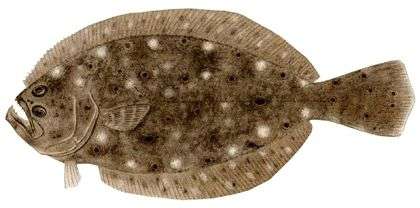
 Summer Flounder
- This half-day inshore trip around Dauphin Island is perfect if you're new to fishing or bringing the family along. Captain Richard and his Fear Knot crew handle everything
- gear, licenses, bait, and lures are all included. You'll target Atlantic Mackerel, Redfish, and Black Drum in calm inshore waters while learning proper casting and reeling techniques. The crew takes time to teach you how to identify different fish species and shares local knowledge about the area. With space for up to 7 guests, it's a relaxed pace where everyone gets personal attention. The shallow waters around Dauphin Island make for a comfortable introduction to Gulf Coast fishing.
Trip Pricing and Availabilities:
Half Day Beginner-Friendly Fishing in Dauphin Island
Looking to dip your toes into the world of saltwater fishing? Captain Richard and the Fear Knot crew have crafted the perfect introduction to Alabama's inshore waters right here on Dauphin Island. This half-day adventure takes the intimidation out of fishing while delivering real results – you'll be casting lines, reeling in fish, and learning techniques that'll serve you well for years to come. With everything provided from gear to licenses, you can focus on what matters most: having a blast on the water with up to 6 other guests.
What to Expect on the Water
Your morning starts at the dock where Captain Richard walks you through the basics – no prior experience needed. The Fear Knot is rigged for comfort and success, with plenty of rod holders, a cooler full of ice, and all the tackle you'll need. We stick to the protected inshore waters around Dauphin Island, which means calmer seas and better conditions for first-timers. The crew keeps things relaxed but productive, rotating between different spots based on what's biting that day. You'll learn to read the water, understand tidal movements, and pick up casting techniques that actually work. Most folks are surprised how quickly they get the hang of it – and even more surprised by what they pull up from these fertile Alabama waters.
Techniques & Tackle Breakdown
We fish these inshore flats and grass beds using light to medium tackle that's forgiving for beginners but still gives you a real fight. The crew sets you up with conventional reels spooled with 20-30 pound test – strong enough for the bigger drum and reds, but light enough to feel every bump and run. Bottom fishing with fresh shrimp and cut bait produces consistent action, while artificial lures like spoons and soft plastics teach you active fishing techniques. Captain Richard shows you proper hook-setting timing, how to fight fish without losing them, and the art of reading your rod tip for subtle bites. The boat's shallow draft lets us work skinny water where the big reds cruise, and the GPS helps us hit proven structures where black drum and flounder hang out.
Top Catches This Season
Black Drum around Dauphin Island are absolute bulldogs, often weighing 20-40 pounds and testing every ounce of your fighting skills. These bottom-dwellers love oyster bars and mud flats, making crushing runs that'll have your drag screaming. They're year-round residents here, but spring and fall offer the best action when they school up in the shallows. What makes them special is their fighting spirit – a good drum will take you on a tour of the bay before giving up.
Summer Flounder, or fluke as we call them, are the masters of disguise in these Alabama waters. They bury themselves in sandy bottoms near grass beds and channel edges, ambushing baitfish with lightning-fast strikes. Most run 14-20 inches here, perfect eating size, and they're most active during summer months when water temperatures hit their sweet spot. The thrill comes from their unpredictable nature – you never know when that subtle tap will turn into a rod-bending battle.
King Mackerel are the speed demons of our local waters, capable of blistering runs that can strip 100 yards of line in seconds. These silver bullets show up in spring and fall, following bait schools along the coast. When hooked, they'll jump, run, and test your skills with acrobatic displays that get everyone on the boat excited. A good king in the 15-25 pound range will give you a workout you won't forget.
Redfish are the crown jewel of inshore fishing around Dauphin Island, with their copper-bronze sides and distinctive black spot making them instantly recognizable. These drum prefer shallow grass flats and oyster beds, where they root for crabs and shrimp. Fall brings the best red fishing as they school up for their spawning runs, and a slot-sized red between 16-26 inches makes for outstanding table fare. Their powerful runs and stubborn fighting style in shallow water creates heart-pounding action.
Atlantic Mackerel round out the mix with their aggressive feeding style and willingness to hit almost any moving bait. These schooling fish arrive in waves during cooler months, creating fast-paced action when you find them. While smaller than their king mackerel cousins, they make up for size with numbers and enthusiasm. When the mackerel are running, it's not unusual to have double-headers and non-stop action that keeps everyone busy.
Time to Book Your Spot
This top-rated beginner trip sells out regularly, especially during peak spring and fall seasons when the fishing is hottest. Captain Richard's patient teaching style and the Fear Knot's family-friendly setup make this the perfect introduction to Alabama's world-class inshore fishing. Whether you're planning a family outing, want to try something new, or looking to build confidence before tackling bigger adventures, this half-day trip delivers real results with zero pressure. The crew handles all the details – licenses, gear, bait, and expertise – while you focus on making memories and maybe landing your first redfish. Don't wait until next season to start your fishing journey; these Dauphin Island waters are calling your name.
Learn more about the species
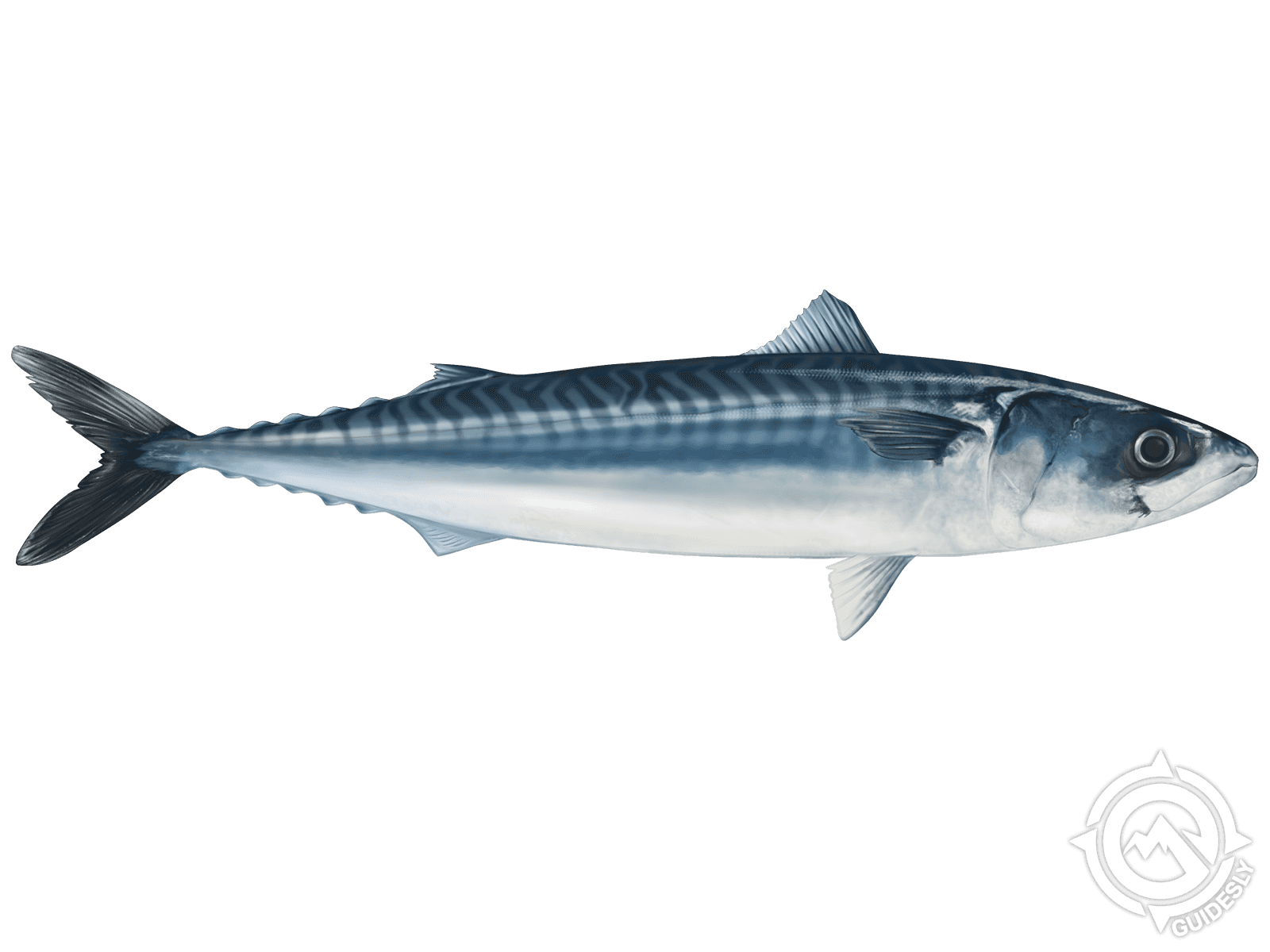
Atlantic Mackerel
Atlantic Mackerel are fast-moving schooling fish with those distinctive wavy green and blue stripes across their silver sides. They typically run 12-16 inches and maybe 1-2 pounds, but what they lack in size they make up for in numbers and action. These fish travel in massive schools through our nearshore waters, usually staying within a few miles of the coast in 20-60 feet of water. Summer months are your best bet when they move closer to shore following baitfish. Guests enjoy them because when you find a school, the action is non-stop - everyone gets plenty of bites. They're also excellent eating, loaded with healthy omega-3s. The trick is using small shiny lures or jigs and working them fast through the water column where the school is feeding.
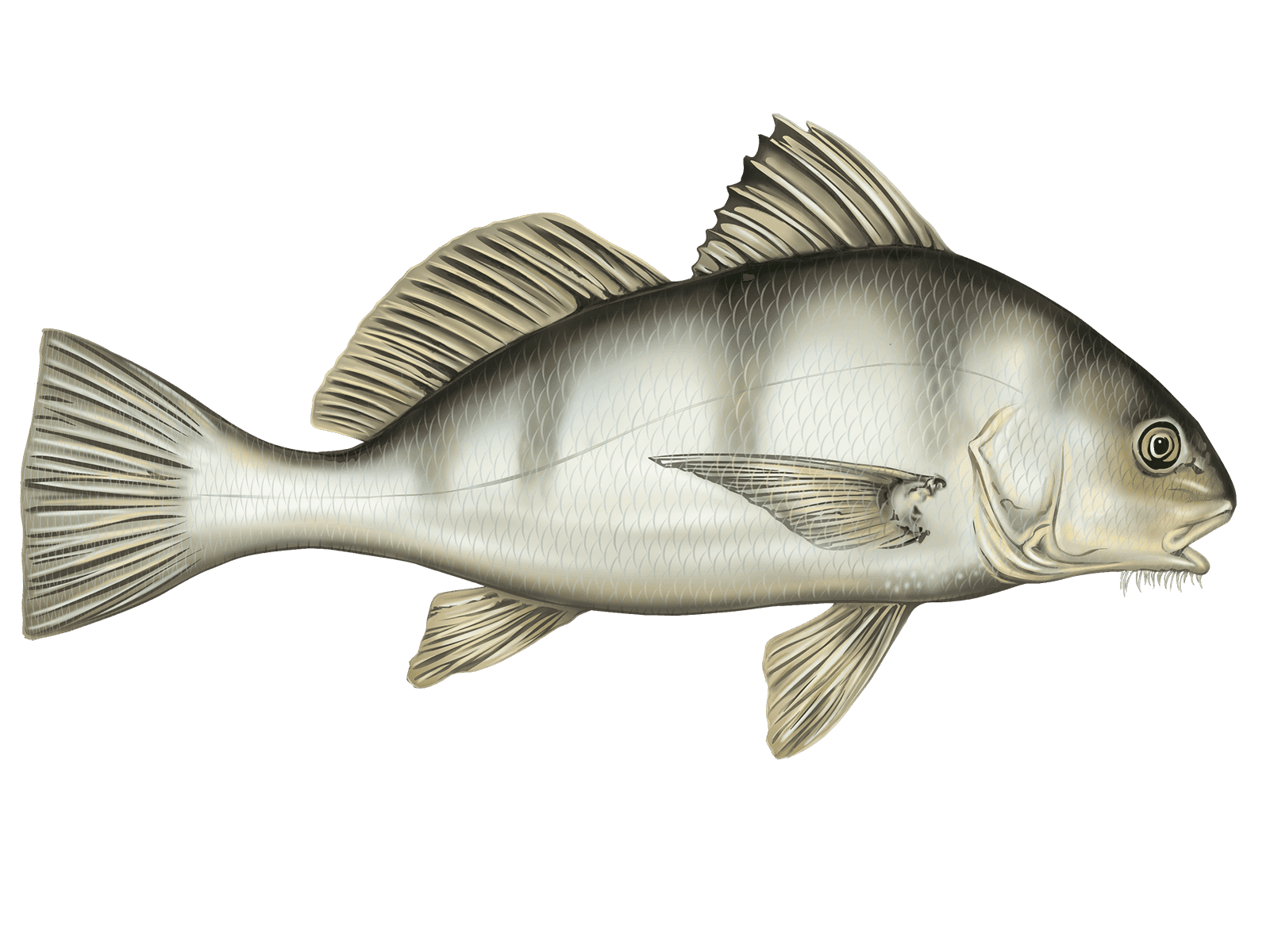
Black Drum
Black Drum are the heavyweights of the drum family, running anywhere from 5-30 pounds but capable of hitting 90+ pounds. You'll spot them by their dark, almost black coloring and the croaking sounds they make underwater. These fish love our shallow muddy flats and oyster beds around Dauphin Island, especially during spring spawning season when they school up and become much easier to target. They're bottom feeders with powerful jaws built for crushing oysters and crabs, so fresh crab or cut bait works best. Guests enjoy them because they put up a solid fight and the smaller ones under 15 pounds make excellent table fare. Pro tip: use enough weight to keep your bait right on the bottom - these fish won't come up to chase it.
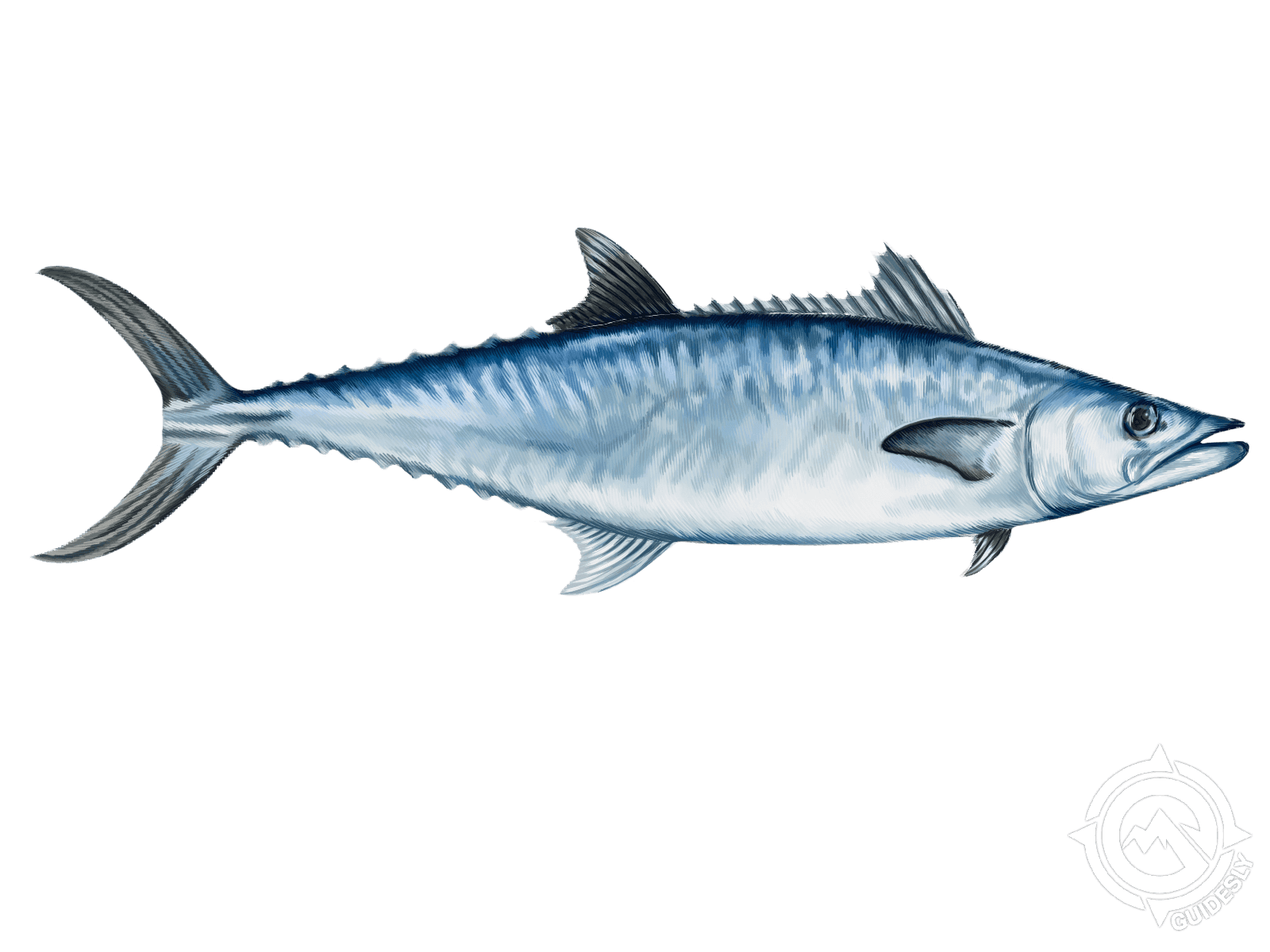
King Mackerel
King Mackerel are speed demons that'll test your drag system in a hurry. These silver bullets typically run 20-40 pounds but can push well over 90 pounds when you find the big ones. They cruise our nearshore waters from 40-150 feet deep, hunting in schools for baitfish like blue runners and menhaden. Spring through fall gives you the best action when water temps hit that sweet spot around 70-80 degrees. What makes them special is that explosive first run when they hit - pure adrenaline. They're also great eating if you like rich, flavorful fish. Here's the key: always use a wire leader and rig with two hooks on live bait. Kings often hit the tail end of a baitfish first, so that trailing hook saves a lot of missed fish.
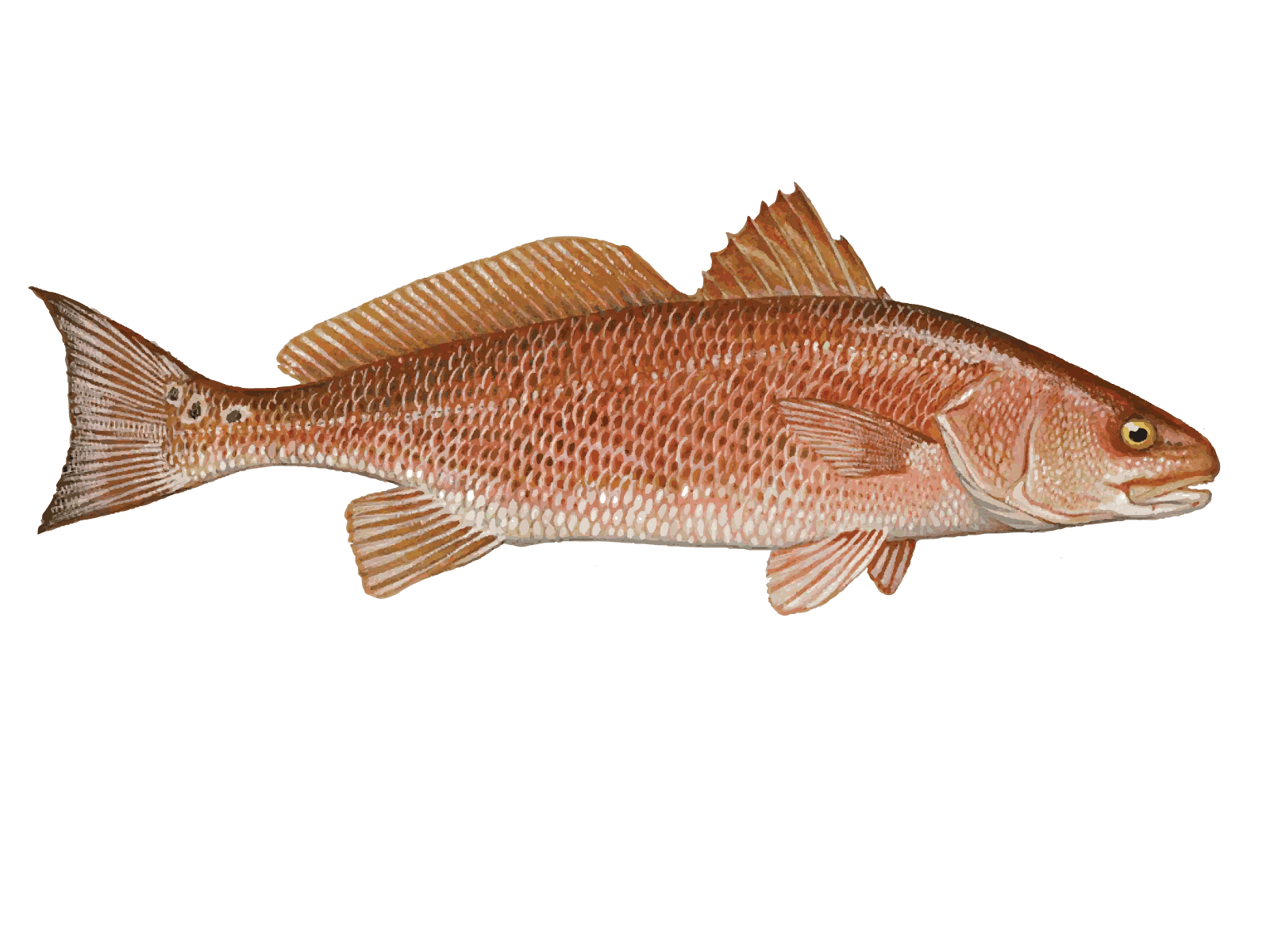
Redfish
Redfish are the poster fish of our shallow water fishing here around Dauphin Island. Look for that distinctive black spot near the tail and copper-red coloring that gives them their name. Most of our fish run 20-30 inches, perfect for the slot limits, though we see some bulls pushing 40+ inches. These fish love super shallow water - sometimes so shallow their backs stick out - around grass flats, oyster bars, and marsh edges. They're year-round residents but spring and fall fishing is prime time when they're most active. Guests love them because they eat just about any lure you throw, fight hard in shallow water, and the slot fish are fantastic on the dinner table. Best tip I can give: when you see one tailing in shallow water, cast well ahead and work your bait slowly past them.
Summer Flounder
Summer Flounder are the chameleons of our inshore waters, changing color to match the sandy bottom where they lie flat with both eyes on one side. Most run 15-20 inches, but we catch some nice ones pushing 26 inches around here. They're ambush predators that bury in sand and mud bottoms in our estuaries and nearshore waters, waiting to grab unsuspecting baitfish swimming by. Fall months from September through November give you the best shot at them when they're actively feeding before their offshore migration. Guests love the challenge of sight fishing for them in shallow water, plus they're some of the best eating fish in the Gulf. My go-to trick is using a bucktail jig with a strip of squid - bounce it slow along the bottom and watch for that subtle tap.
About the Fear Knot
%2F%2Fusers%2F121afe6a-dbde-4db1-a407-c5b40340842a%2Fvehicle_picture%2Funnamed.jpg&w=1920&q=75)
Vehicle Guest Capacity: 7
Manufacturer Name: Suzuki
Maximum Cruising Speed: 40
Number of Engines: 1
Horsepower per Engine: 300